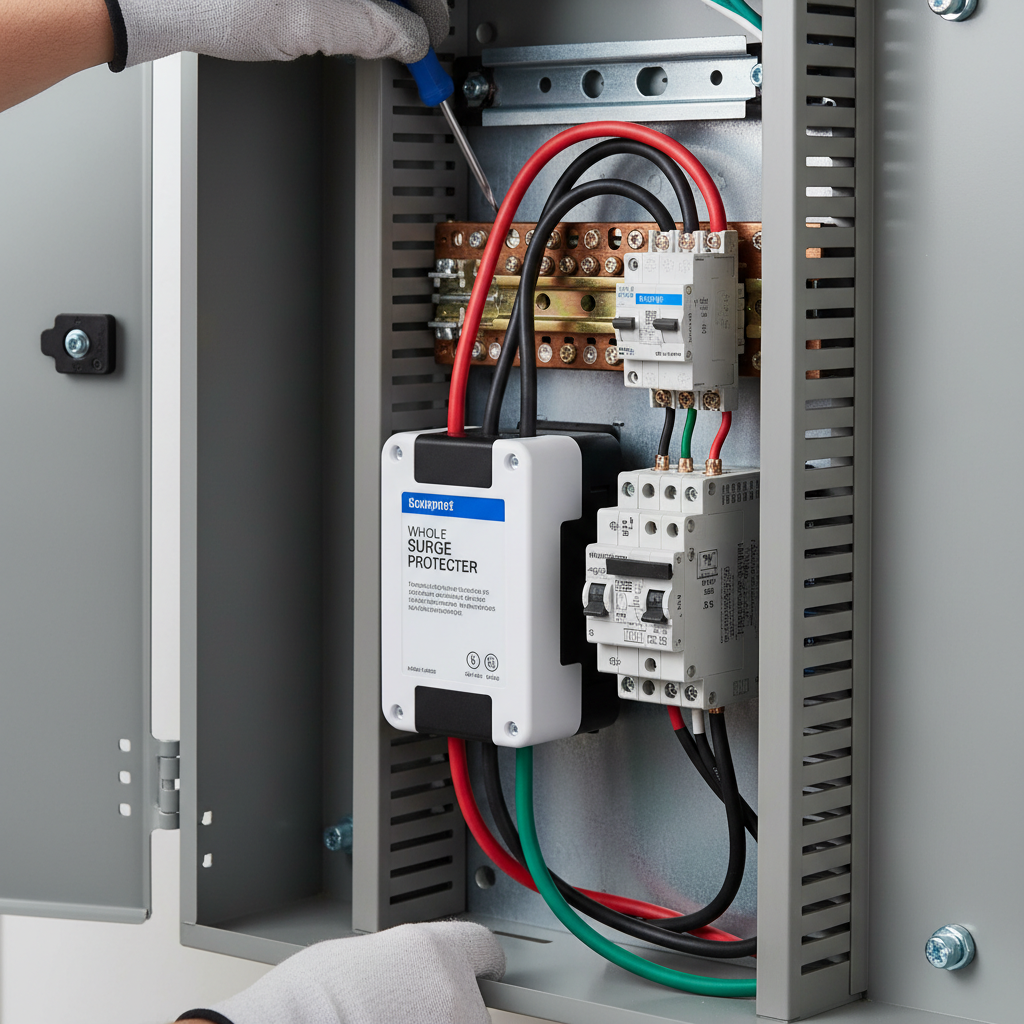
You probably have a power strip with surge protection on your TV or computer. But did you know that a single power strip can't protect your entire home? A whole-home surge protector mounted at your electrical panel is the only way to protect every device, appliance, and system in your house. Here's how it works and whether it's worth the investment.
What Causes Power Surges?
Power surges come from two main sources: external and internal. External surges are caused by lightning strikes, utility company grid switching, downed power lines, and transformer failures. These are the dramatic ones that can fry everything in your home in an instant.
But here's the statistic most people don't know: 80% of power surges originate inside your own home. Every time your air conditioner, refrigerator, washer, or dryer cycles on and off, it creates a small voltage spike on your home's wiring. Individually these micro-surges seem harmless, but they accumulate over time and slowly degrade the circuits in your electronics.
How Whole-Home Surge Protection Works
A whole-home surge protection device, called an SPD, installs directly at your main electrical panel. It monitors the voltage on every circuit in your home. When it detects voltage above a safe threshold, it diverts the excess energy to your grounding system in nanoseconds. The process is instantaneous and automatic.
Type 2 SPDs, which are the most common residential units, are designed to handle surges from both external and internal sources. They typically have a surge capacity measured in kiloamps and a clamping voltage around 400V, meaning they kick in when voltage exceeds normal levels by a significant margin.
What Does It Cost?
A whole-home surge protection device with professional installation typically runs $300 to $600 in the Fort Worth area. The device itself costs $100 to $250 depending on the brand and specifications, and installation takes about one to two hours. Compare that to the cost of replacing a fried HVAC control board ($800-$1,500), a smart TV ($500-$2,000), or a home computer ($800-$2,500), and the math is clear.
What Does It Protect?
Everything connected to your electrical system. That includes your HVAC system and its control board, refrigerator and freezer, washer and dryer, television and home theater, computers and routers, smart home devices, garage door openers, LED lighting, and any device plugged into an outlet. Without whole-home protection, any of these can be damaged or destroyed by a single surge event.
Do You Still Need Power Strips?
Yes, but the strategy changes. Think of whole-home surge protection as your first line of defense that catches the big surges. Point-of-use surge protectors on your most sensitive equipment like computers and home theater systems add a second layer. This two-tier approach gives you the best protection available.
Why Fort Worth Homes Are Especially at Risk
Texas ranks in the top five states for lightning strikes annually. The Fort Worth metro area experiences severe thunderstorms from March through October, and the ERCOT power grid is known for voltage fluctuations during peak summer demand. If you've ever noticed your lights flicker on a hot afternoon, that's a voltage spike hitting your home. A whole-home SPD intercepts every one of those events.
The Bottom Line
At $300 to $600, whole-home surge protection is one of the most cost-effective upgrades you can make to your home. It protects tens of thousands of dollars in electronics and appliances, and most devices come with a connected equipment warranty that covers your devices if a surge gets through. Installation takes less than two hours and the protection starts immediately.
Call Excel Electricians at (682) 231-8212 for a free estimate on whole-home surge protection installation in Fort Worth.
Licensed electricians serving Fort Worth and surrounding areas since 2018. We share expert tips, safety advice, and electrical guides to help homeowners make informed decisions.